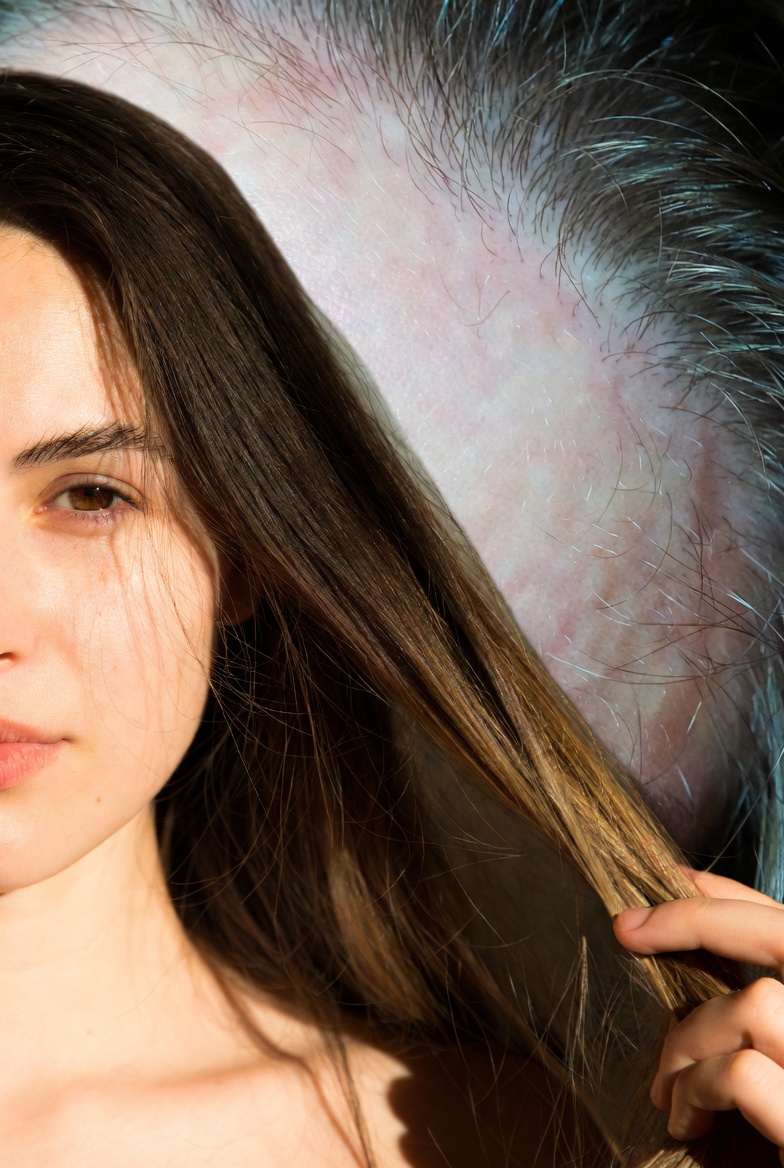
Introduction: The Evolution of Hair Transplants
Hair loss affects millions worldwide, with androgenetic alopecia impacting 50% of men and 25% of women by age 50 (Journal of Investigative Dermatology, 2020). Hair transplants, once limited to crude plug grafts, have evolved into sophisticated procedures delivering natural, permanent results. In 2025, innovations like robotic assistance, stem cell therapy, and AI-driven planning are transforming the field. This guide dives into the most advanced hair transplant techniques, answering questions like "What is the best hair transplant method in 2025?" and "How do modern techniques improve outcomes?"
Understanding Hair Transplants: How They Work
Hair transplants relocate androgen-resistant hair follicles from a donor area (typically the back of the scalp) to thinning or balding regions. The goal is to create a natural hairline and restore density. Modern techniques prioritize minimal scarring, faster recovery, and high graft survival rates.
Key Principles of Hair Transplants
- Donor Dominance: Transplanted follicles retain their resistance to DHT, ensuring long-term growth (Dermatologic Surgery, 2023).
- Follicular Units: Hair grows in natural groupings of 1–4 hairs, which are transplanted as units for aesthetic results.
- Precision: Advanced tools and imaging ensure accurate placement and minimal trauma.
Top Hair Transplant Techniques in 2025
Below are the leading hair transplant techniques in 2025, each optimized for specific needs and backed by clinical evidence.
1. Follicular Unit Extraction (FUE)
FUE is the most popular technique, involving the extraction of individual follicular units using a micro-punch tool (0.6–0.9 mm).
- How It Works: Follicles are harvested from the donor area and implanted into recipient sites.
- 2025 Advancements: Sapphire FUE uses sapphire blades for precise incisions, reducing trauma and improving healing (Journal of Cosmetic Dermatology, 2024). Robotic FUE, like the FUEsion X system, enhances accuracy with AI and reduces procedure time by 50% (iBrain Robotics, 2025).
- Pros: Minimal scarring, quick recovery (3–7 days), suitable for short hairstyles.
- Cons: Time-intensive for large sessions; higher cost for robotic systems ($5,000–$15,000).
- Best For: Early-stage hair loss or facial hair transplants.
2. Direct Hair Implantation (DHI)
DHI, a variation of FUE, uses a Choi Implanter Pen for simultaneous extraction and implantation.
- How It Works: Follicles are loaded into the pen and implanted directly without pre-made incisions.
- 2025 Advancements: Improved pen designs allow for denser placement and better graft survival (up to 95%) (Hairmedico, 2025).
- Pros: High precision, no shaving required, ideal for women or small areas.
- Cons: Higher cost ($6,000–$20,000), longer procedure time.
- Best For: Hairline refinement or dense packing.
3. Follicular Unit Transplantation (FUT)
FUT, also called strip harvesting, involves removing a strip of scalp from the donor area for dissection into follicular units.
- How It Works: The strip is microscopically dissected, and units are transplanted into recipient sites.
- 2025 Advancements: Microscopically Dissected Elliptical Excision (MDEE) uses advanced microscopes to minimize transection (Ziering Medical, 2025).
- Pros: High graft yield (3,000–5,000 per session), cost-effective ($3,000–$10,000).
- Cons: Linear scar, longer recovery (10–14 days).
- Best For: Extensive baldness (Norwood 4–6).
4. Robotic Hair Transplantation
Robotic systems like ARTAS and FUEsion X use AI and robotic arms for graft harvesting and implantation.
- How It Works: AI maps the scalp, identifies optimal donor follicles, and guides precise placement.
- 2025 Advancements: FUEsion X’s 50X zoom and suction-assisted extraction reduce graft damage and procedure time (iBrain Robotics, 2025).
- Pros: Unmatched precision, reduced human error, faster procedures.
- Cons: High cost ($10,000–$25,000), limited availability.
- Best For: Patients seeking cutting-edge technology and natural results.
5. Stem Cell Hair Transplantation
Stem cell therapy uses regenerative cells to enhance graft survival or stimulate dormant follicles.
- How It Works: Adipose-derived stem cells (ADSCs) or follicular stem cells are injected or combined with transplants.
- 2025 Advancements: Early trials show 20–30% improved density when combined with FUE (Pharmaceutics, 2022). Exosome therapy, using cell-derived messengers, boosts healing and growth (BioInformant, 2025).
- Pros: Enhances results, potential for non-surgical regrowth.
- Cons: Experimental, high cost ($5,000–$15,000 per session), limited availability.
- Best For: Poor donor areas or early-stage hair loss.
Comparison Table: Hair Transplant Techniques
| Technique | Scarring | Recovery Time | Cost | Best For |
|---|---|---|---|---|
| FUE | Minimal | 3–7 days | $5,000–$15,000 | Early hair loss, facial hair |
| DHI | Minimal | 3–5 days | $6,000–$20,000 | Hairline, women |
| FUT | Linear scar | 10–14 days | $3,000–$10,000 | Extensive baldness |
| Robotic | Minimal | 3–7 days | $10,000–$25,000 | Precision seekers |
| Stem Cell | Minimal | 3–7 days | $5,000–$15,000 | Poor donor areas |
How to Choose the Right Technique
Selecting the best hair transplant technique depends on your hair loss pattern, donor area quality, and goals. Follow these steps:
- Consult a Specialist: A trichologist or dermatologist can assess your Norwood/Ludwig scale and donor density.
- Evaluate Hair Loss: Early-stage loss (Norwood 2–3) suits FUE or DHI; advanced loss (Norwood 4–6) may require FUT.
- Consider Lifestyle: DHI or Long Hair FUE avoids shaving, ideal for public figures.
- Budget: FUT is cost-effective for large sessions; robotic procedures are pricier but precise.
- Research Clinics: Choose ISHRS-certified surgeons with experience in your desired technique (ISHRS, 2025).
Internal Link Suggestion: Learn how to find a trusted surgeon in our Guide to Choosing a Hair Transplant Clinic.
Post-Operative Care for Optimal Results
Post-operative care is critical for graft survival and aesthetic outcomes. Follow these evidence-based tips:
- First 48 Hours: Avoid touching the scalp; sleep with your head elevated.
- Cleansing: Use medicated shampoos after 48 hours to prevent infection (ReHair Istanbul, 2025).
- Adjunct Therapies: PRP or low-level laser therapy (LLLT) can enhance healing and growth (Journal of Trichology, 2024).
- Nutrition: Consume biotin, zinc, and omega-3s to support follicle health (Nutrients, 2023).
- Avoid Stress: Practice mindfulness to reduce cortisol, which can impair healing.
Internal Link Suggestion: Discover more in our Post-Hair Transplant Care Guide.
Frequently Asked Questions
What is the best hair transplant technique in 2025?
Sapphire FUE and DHI are top choices for minimal scarring and natural results, while robotic systems like FUEsion X offer unmatched precision. Stem cell therapy shows promise for future applications.
Do hair transplants look natural?
Yes, 2025 techniques like DHI and robotic FUE create seamless hairlines with proper angulation and density (Precision Medical Hair Restoration, 2025).
How long is recovery after a hair transplant?
FUE and DHI require 3–7 days, while FUT takes 10–14 days. Full results appear in 9–12 months.
Internal Link Suggestion: See our Hair Transplant Recovery Timeline for details.
In conclusion, 2025 hair transplant techniques offer unparalleled precision, minimal invasiveness, and natural outcomes. From Sapphire FUE to stem cell innovations, patients have diverse options to address hair loss. Consult a certified specialist to tailor the best approach for your needs.