Understanding Hair Loss
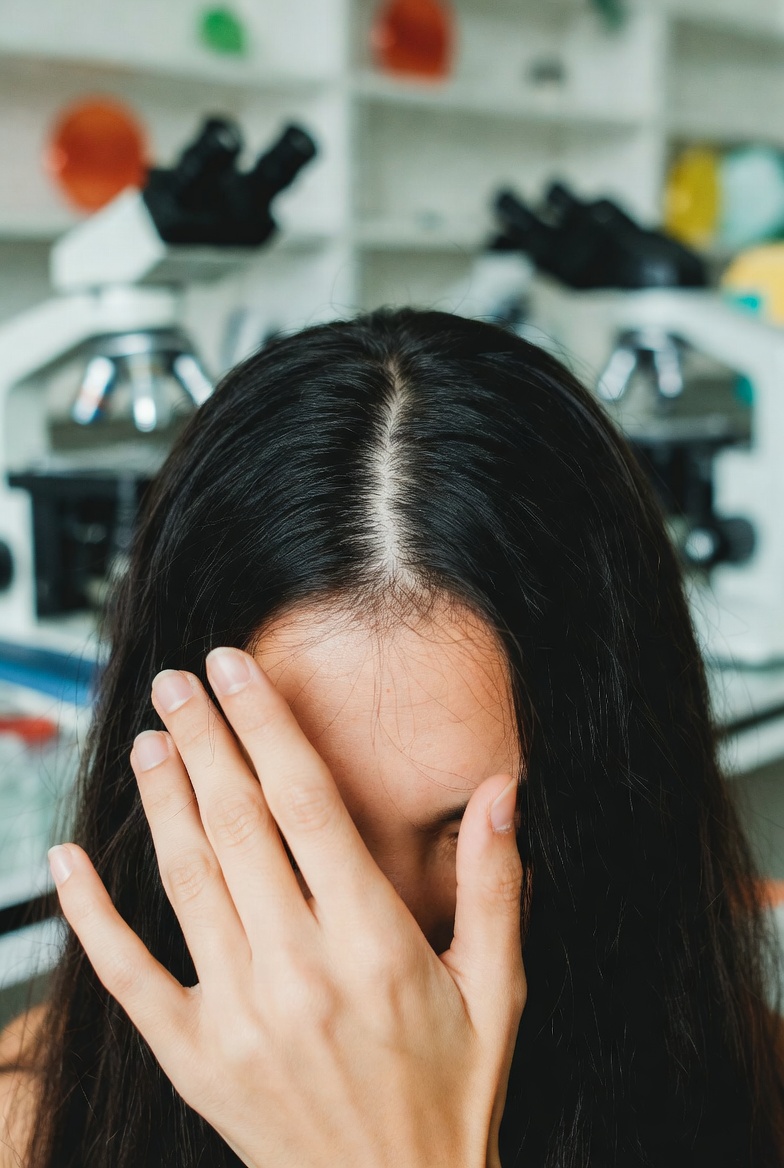
Hair loss, or alopecia, affects millions of men and women globally. The most common cause—androgenetic alopecia—is driven by the hormone DHT (dihydrotestosterone), which shrinks hair follicles over time. Other causes include stress, nutrient deficiencies, thyroid imbalance, and scalp inflammation.
According to a 2023 review in the Journal of Clinical Dermatology, early intervention significantly improves outcomes. Addressing the root cause—hormonal, nutritional, or environmental—is the foundation of any effective natural treatment.
Natural DHT Blockers
Several plant-based compounds can help reduce DHT activity without the side effects of pharmaceutical blockers. Saw palmetto, pumpkin seed oil, and green tea extract (EGCG) have been clinically shown to reduce 5-alpha-reductase activity, the enzyme that converts testosterone to DHT.
A 2022 double-blind study found that men using saw palmetto supplements achieved a 35% increase in hair density after 6 months compared to placebo. When combined with topical minoxidil, results were enhanced further.
Diet and Supplements for Hair Growth
Diet plays a critical role in maintaining a healthy hair cycle. Include foods rich in zinc, vitamin D, omega-3 fatty acids, and biotin. Protein intake should also be adequate since keratin—the main hair protein—depends on amino acids.
Supplements such as marine collagen peptides and iron (for those deficient) can further support follicular health. Avoid crash diets, which can induce temporary hair shedding known as telogen effluvium.
Scalp Health and Massage
Healthy follicles need an oxygen-rich environment. Regular scalp massage with natural oils like rosemary or peppermint oil enhances circulation and nutrient delivery. A 2020 Japanese study demonstrated that 4 minutes of daily scalp massage for 24 weeks led to thicker hair in both men and women.
Lifestyle Factors That Impact Hair
Chronic stress elevates cortisol levels, which disrupts the growth phase (anagen) of hair. Incorporate relaxation techniques such as yoga, meditation, and deep breathing exercises. Additionally, maintaining 7–8 hours of quality sleep optimizes hormone balance for hair growth.
When to See a Dermatologist
If natural approaches do not slow hair loss after 3–6 months, consult a board-certified dermatologist. They may recommend blood tests, PRP (platelet-rich plasma) therapy, or low-dose finasteride for advanced cases. Combining natural and clinical treatments often yields the best outcomes.