Introduction
Hair loss affects millions of individuals worldwide, prompting continuous research and innovation in treatment options. As we step into 2025, the landscape of hair loss treatments has evolved significantly, with new FDA-approved therapies and cutting-edge technologies offering hope to those experiencing hair thinning and baldness. This comprehensive guide explores the latest advancements in hair loss treatments, providing insights into what 2025 holds for individuals seeking effective solutions.
Causes of Hair Loss
Understanding the underlying causes of hair loss is crucial for effective treatment. Hair loss can result from a variety of factors, including genetics, hormonal changes, medical conditions, and environmental influences. Androgenetic alopecia, commonly known as male or female pattern baldness, remains the most prevalent cause. Other contributing factors include stress, poor nutrition, and scalp conditions. Addressing these underlying issues is essential for successful hair restoration.
Latest FDA-Approved Treatments
In 2025, several new hair loss treatments have received FDA approval, marking significant progress in the field. One notable advancement is the approval of a novel topical solution containing a unique combination of active ingredients, proven to stimulate hair growth with minimal side effects. This treatment offers a promising alternative for individuals who have not responded well to traditional therapies like minoxidil or finasteride.
Emerging Technologies in Hair Loss Treatment
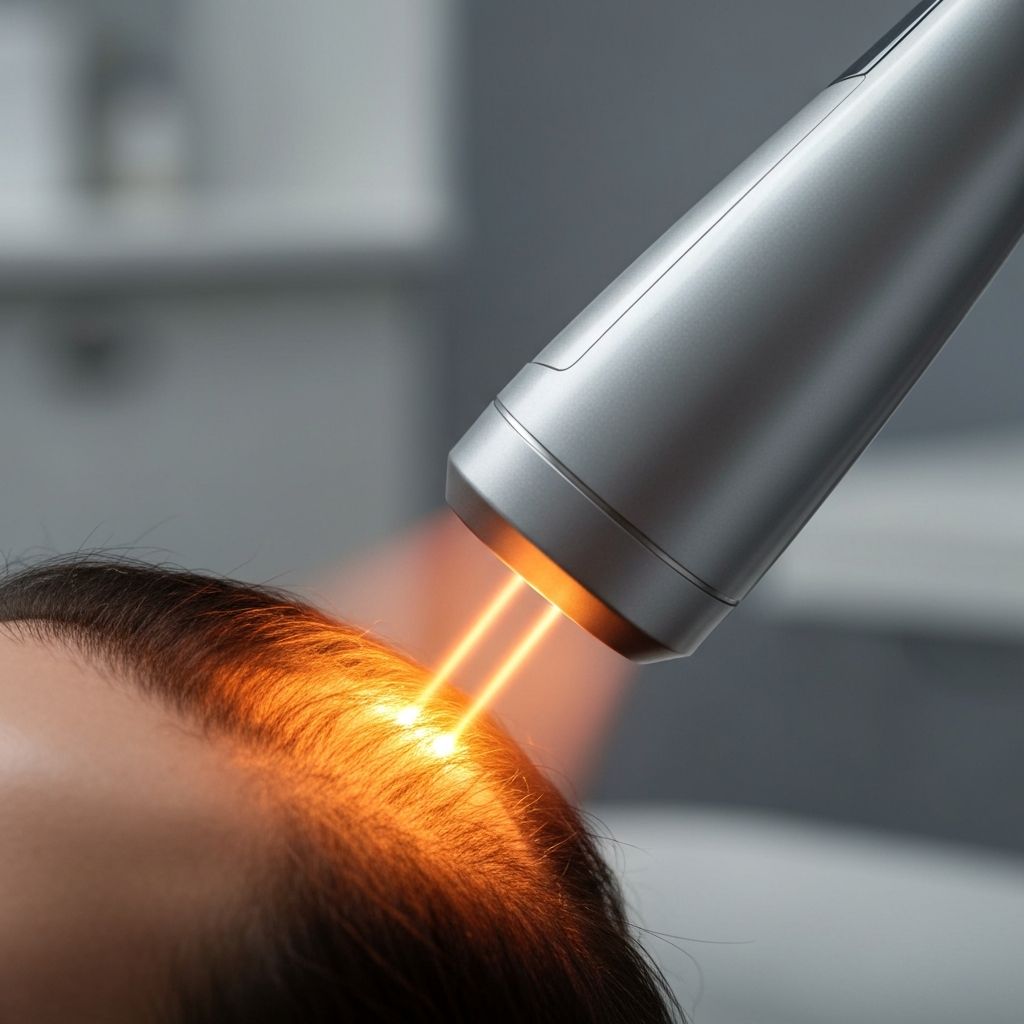
The integration of technology in hair loss treatment continues to advance. Low-level laser therapy (LLLT) devices have become more sophisticated, with enhanced efficacy and ease of use. Additionally, the use of artificial intelligence (AI) in diagnosing hair loss patterns and recommending personalized treatment plans is gaining traction, providing tailored solutions for patients.
Innovative Therapies for Hair Restoration
Beyond traditional treatments, innovative therapies are reshaping the hair restoration landscape. Exosome therapy, which utilizes cell-derived vesicles to encourage hair follicle regeneration, has shown promising results in clinical trials. Furthermore, advancements in stem cell research are paving the way for regenerative treatments that could potentially reverse hair loss at the cellular level.
2025 Treatment Guidelines
The latest guidelines for hair loss treatment in 2025 emphasize a holistic approach, combining medical therapies with lifestyle modifications. Dermatologists recommend a combination of FDA-approved treatments, nutritional support, and stress management techniques to optimize hair health. Personalized treatment plans that consider individual patient needs and preferences are increasingly recommended.
Conclusion
The future of hair loss treatment in 2025 is bright, with numerous advancements offering hope to those affected by hair thinning and baldness. From new FDA-approved therapies to cutting-edge technologies and innovative regenerative treatments, individuals now have a wide array of options to consider. As research continues to evolve, these advancements promise to improve the quality of life for millions seeking effective hair restoration solutions.