Introduction
In 2025, the field of hair loss treatment is witnessing a revolutionary shift with the advent of nanoparticle therapies. These cutting-edge solutions are paving new pathways in the battle against hair thinning and baldness, offering hope to millions affected by hair loss conditions. This article delves into the intricacies of nanoparticle therapies, exploring their mechanisms, benefits, and potential risks, while comparing them to traditional methods.
Understanding Nanoparticle Therapies
Nanoparticles are extremely small particles, often ranging from 1 to 100 nanometers in size. Their unique properties make them ideal for medical applications, including targeted drug delivery systems in dermatology and trichology. By manipulating these particles, scientists can design treatments that precisely target hair follicles, potentially enhancing regrowth and minimizing side effects.
Recent Developments in Nanoparticle Therapies
Recent years have seen significant advancements in nanoparticle technology, with numerous studies highlighting their efficacy in hair restoration. In 2025, several clinical trials have demonstrated promising results, particularly in the use of nanoparticles to deliver growth-promoting compounds directly to the scalp. These innovations are supported by collaborations between leading universities and biotech firms globally.
How Nanoparticles Work in Hair Regrowth
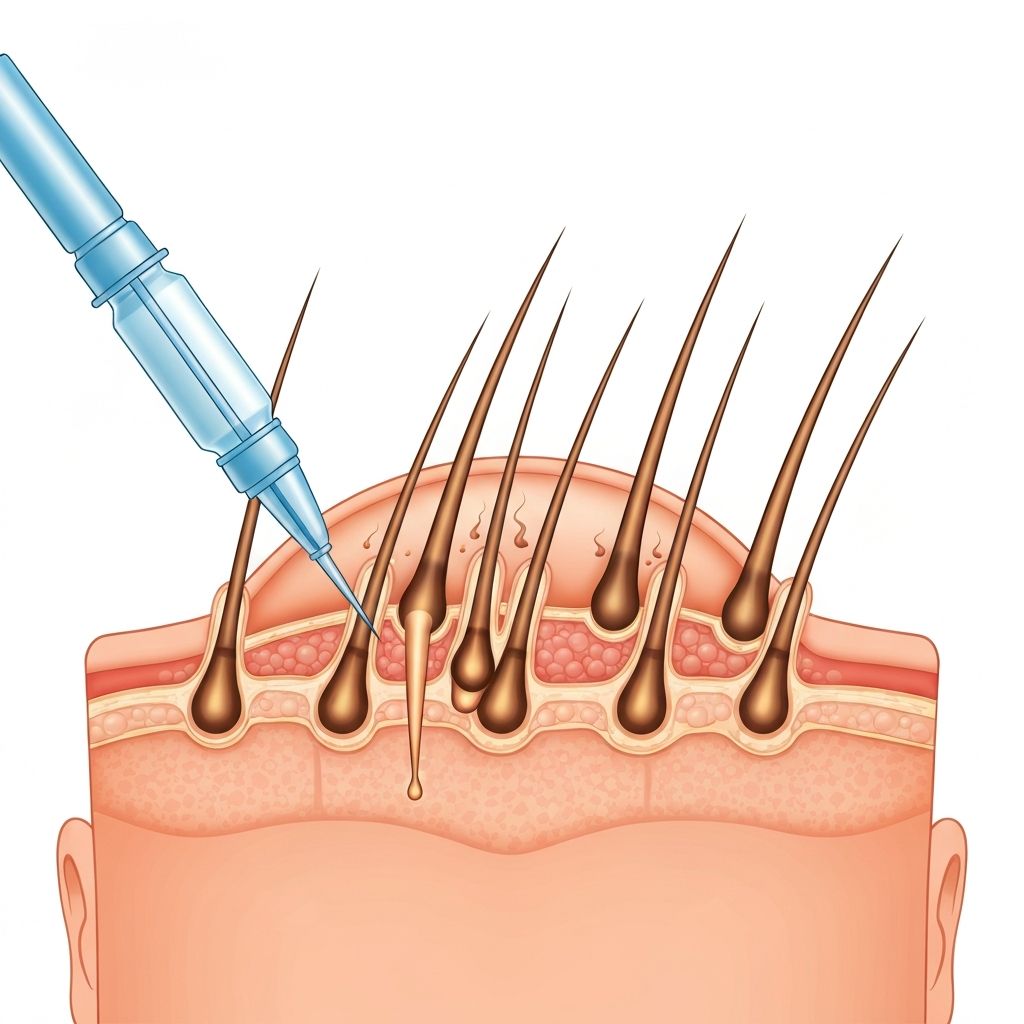
Nanoparticles can be engineered to deliver active ingredients, such as minoxidil or finasteride, directly to the hair follicles. This targeted delivery system ensures that the active compounds penetrate deeper layers of the scalp, potentially increasing their effectiveness. Additionally, nanoparticles can encapsulate these drugs, protecting them from degradation and enhancing their stability.
Benefits and Risks of Nanoparticle Therapies
The primary benefit of nanoparticle therapies is their ability to enhance drug delivery and efficacy while reducing systemic side effects. However, as with any new technology, there are risks, including potential allergic reactions or unknown long-term effects. It is crucial for ongoing research to address these concerns and ensure the safety of these therapies.
Comparison with Traditional Treatments
Traditional hair loss treatments, such as topical minoxidil or oral finasteride, have been the standard for decades. While effective, these treatments often come with limitations, including side effects and inconsistent results. Nanoparticle therapies promise greater precision and potency, potentially overcoming these challenges and offering a superior alternative.
Future Trends in Hair Loss Treatments
Looking ahead, the integration of artificial intelligence and machine learning with nanoparticle technology is expected to further personalize hair loss treatments. Additionally, the development of biodegradable nanoparticles could enhance safety profiles and reduce environmental impact. These advancements signal a promising future for those seeking effective hair regrowth solutions.
Conclusion
The emergence of nanoparticle therapies represents a significant milestone in hair loss treatment. As research continues to evolve, these innovative solutions hold the potential to transform hair restoration practices, offering new hope for those affected by hair loss. Staying informed about these developments is crucial for anyone considering their options in 2025 and beyond.