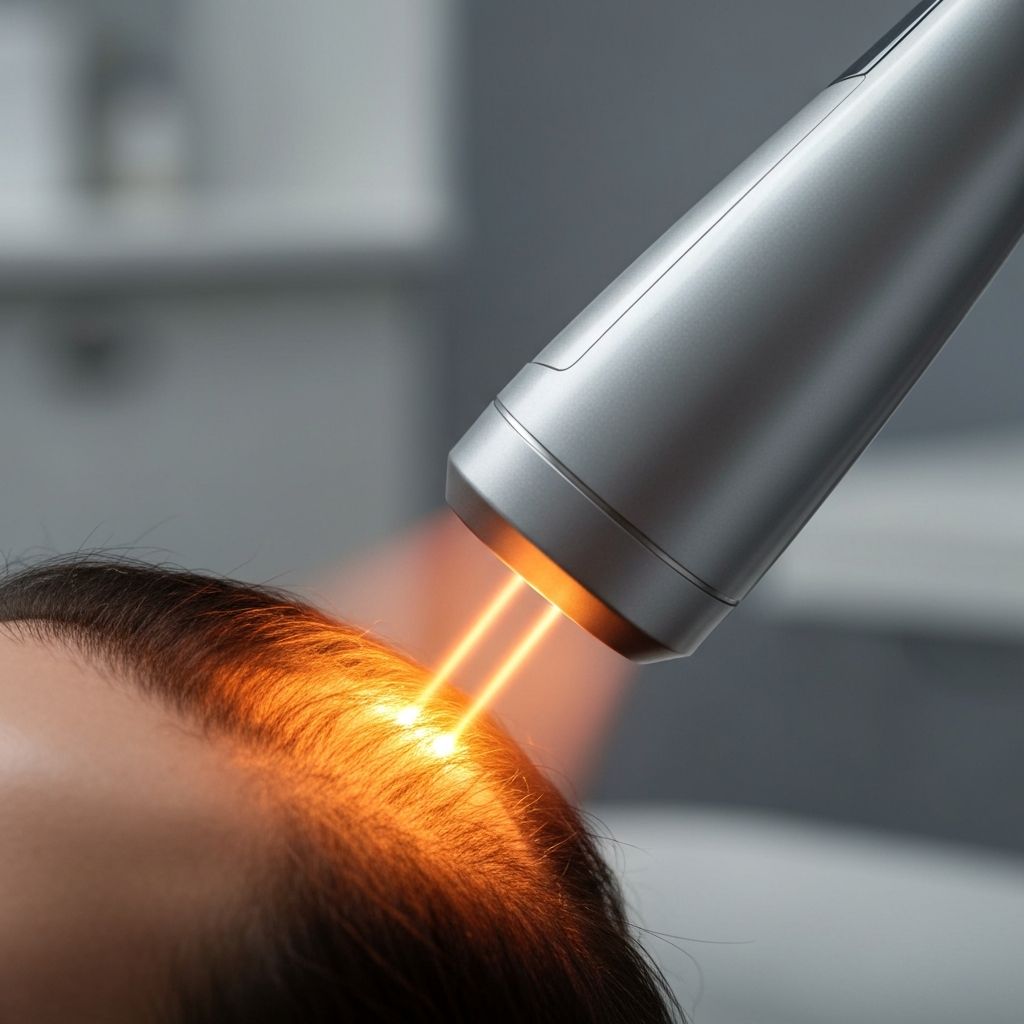
Why Postpartum Hair Loss Happens
During pregnancy, high estrogen levels extend the anagen (growth) phase, resulting in thicker hair. After childbirth, estrogen drops sharply, pushing many follicles into the resting (telogen) phase simultaneously—a condition called telogen effluvium. This temporary shedding typically occurs 2–4 months postpartum.
A 2024 study in the Journal of Reproductive Dermatology found that up to 85% of women experience postpartum shedding, but full recovery usually occurs within 6–12 months.
Nutritional Support
Restoring nutrients lost during pregnancy is crucial. Prioritize iron, vitamin D, zinc, and biotin. Protein-rich foods like eggs and lentils promote keratin production, while omega-3 fatty acids reduce scalp inflammation. Continue prenatal vitamins for several months after birth unless advised otherwise.
Scalp Care and Topical Treatments
Gentle scalp massage with rosemary or pumpkin seed oil stimulates microcirculation and supports regrowth. If shedding is severe, topical minoxidil 2% can safely accelerate recovery for non-breastfeeding mothers under dermatologist guidance.
Managing Stress and Sleep
Hormonal fluctuations and sleep deprivation exacerbate hair loss. Aim for restful sleep, hydration, and light exercise to rebalance hormones. Mindfulness and relaxation techniques help lower cortisol levels, allowing follicles to recover more efficiently.
Expert Takeaway
“Postpartum shedding is reversible,” assures Dr. Laila Monroe. “Focus on nourishment, patience, and gentle scalp stimulation rather than aggressive products.” Most women notice improvement within six months of consistent care.