Introduction to the Scalp Microbiome
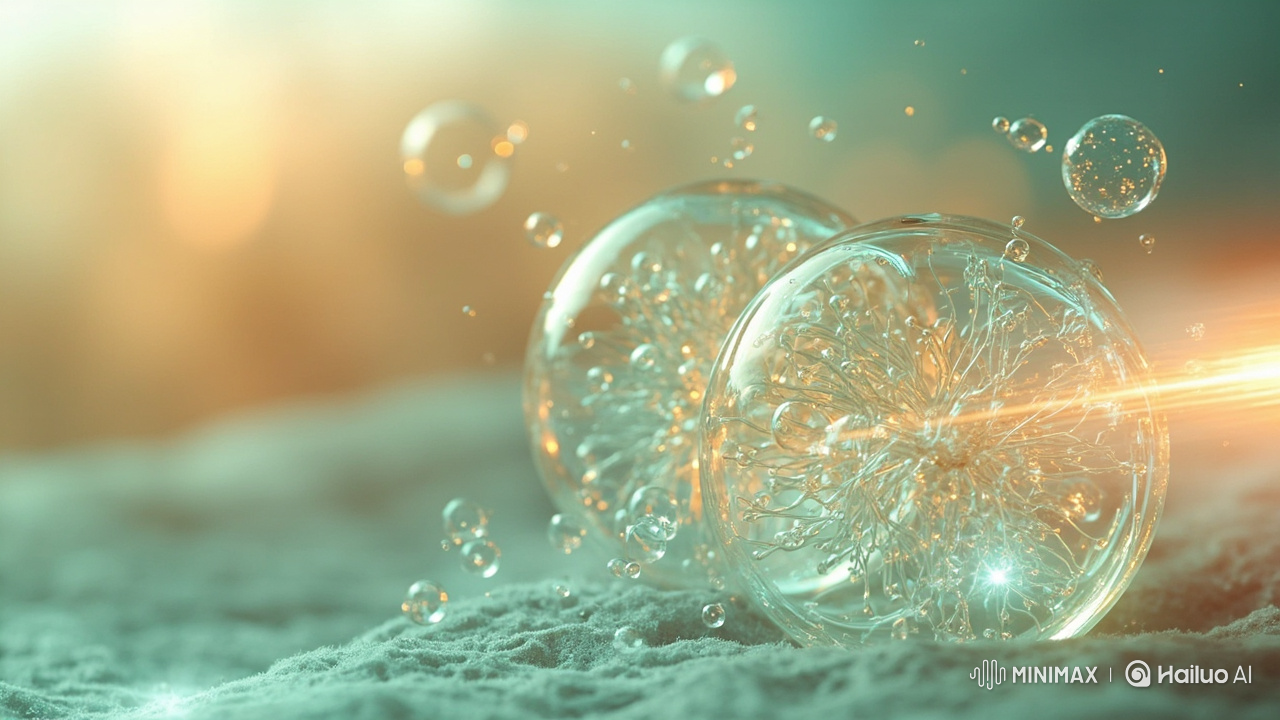
The scalp hosts a complex ecosystem of bacteria, fungi, and viruses that interact with the immune system and influence hair follicle health. Perturbations in this balance—dysbiosis—are linked to dandruff, seborrheic dermatitis, and potentially to chronic inflammation that impairs follicular function.
Key Microbial Players & Their Roles
Malassezia species are central to seborrheic conditions; certain Staphylococcus strains can promote inflammation, while commensal Corynebacteria and Cutibacterium may have protective roles. Understanding the balance of these organisms helps target therapy correctly.
Dysbiosis: How It Drives Shedding & Thinning
Dysbiosis increases local cytokine production (IL-6, TNF-α), disrupts barrier function, and can shift follicles into catagen/telogen phases prematurely. Environmental triggers—pollution, styling products, and antibiotics—can precipitate or exacerbate dysbiosis.
Diagnostic Tools & Clinical Markers
Advanced diagnostics include scalp swabs with next-generation sequencing, qPCR for key organisms, and metabolomic profiling. While still emerging in routine care, these tools enable personalized interventions when standard therapy fails.
Therapeutic Approaches to Restore Balance
Treatment strategies include targeted antifungals for Malassezia, topical probiotics and prebiotics to support beneficial species, and pH-balancing cleansers. Avoid overuse of harsh antiseptics that indiscriminately wipe out commensals. Novel approaches include bacteriophage therapy and microbiome transplants, currently in early trials.
Future Directions & Personalized Microbiome Medicine
Future hair care will increasingly use personalized microbiome profiles to select targeted pre/probiotic treatments, tailored cleansers, and lifestyle interventions that preserve beneficial microbes and reduce inflammatory triggers, improving long-term hair outcomes.