BestHairRegrowth
BestHairRegrowth
ArticlesReviewsFDA TreatmentsUS Dermatologist GuidesAboutContact
Subscribe
H
BestHairRegrowth

Science-backed hair regrowth insights, expert product reviews, and educational content for effective hair loss solutions. Trusted by readers in the United States and Europe.

Based in the United States — Evidence-based hair loss information following AAD & FDA guidelines.

About the Author

Maya Castillo is a US-based, US-trained hair science writer and research editor specializing in hair growth, scalp health, and evidence-based wellness. She follows AAD (American Academy of Dermatology) guidelines and translates complex scientific research into practical guides to help readers make informed decisions about their hair health.

maya.castillo@besthairregrowth.comLearn more about Maya →

Content

  • Articles
  • Science
  • Product Reviews
  • Lifestyle
  • FDA Treatments
  • US Dermatologist Guides

Resources

  • About Us
  • Our Team
  • Author
  • Medical Disclaimer
  • Privacy Policy
  • Contact

Legal

  • Terms of Service
  • Privacy Policy
  • Sitemap
  • RSS Feed

© 2025 BestHairRegrowth. All rights reserved. | Science-backed hair loss solutions and expert reviews.

Reviewed under American Academy of Dermatology (AAD) guidelines. Research aligned with FDA guidance where applicable. Scientific references prioritized from US medical journals. This publication follows US health-information best practices.

As an Amazon Associate, I earn from qualifying purchases.

TwitterLinkedInInstagram
Back to ArticlesBack
Science

Hair Regrowth After Menopause in 2025: How to Balance Hormones and Restore Density

Understand why hair thinning accelerates after menopause and learn how to regrow hair safely using hormonal balance, nutrition, and dermatologist-approved treatments.

D

Dr. Emily Hartman, MD, FAAD

November 5, 2025
November 5, 2025
10 min read
ShareShare
Published
November 5, 2025
Last updated
Nov 8, 2025
Middle-aged woman examining hair thickness in the mirror

Affiliate Disclosure: This article contains affiliate links. We may earn a commission at no extra cost to you.

Why Hair Thins After Menopause

During menopause, estrogen and progesterone levels drop, reducing their protective effect on hair follicles. This hormonal shift allows DHT (dihydrotestosterone) to act more strongly on scalp follicles, leading to gradual thinning. A 2023 study in the Journal of Endocrine Dermatology found that 70% of postmenopausal women experience noticeable volume loss within five years of menopause onset.

Balancing Hormones Naturally

Phytoestrogens—plant compounds found in soy, flaxseed, and red clover—can help mildly balance hormonal levels. Supplementing with vitamin D, zinc, and omega-3 fatty acids also supports hormonal and follicular health. Always consult your gynecologist or endocrinologist before considering hormone replacement therapy (HRT).

Clinical Treatments That Help

Dermatologists often recommend topical minoxidil (5%) or low-dose oral finasteride (0.5 mg) for postmenopausal women. In addition, platelet-rich plasma (PRP) therapy and low-level laser therapy (LLLT) are excellent non-invasive options that stimulate dormant follicles and improve density over time.

Nutrition and Lifestyle Adjustments

Include iron-rich foods such as spinach, lentils, and red meat to prevent anemia—a common contributor to female hair loss. Stress management through yoga and adequate sleep helps maintain hormonal balance. Hydration and a diet rich in antioxidants strengthen follicles against oxidative damage.

Expert Opinion

According to Dr. Emily Hartman, “Hair regrowth after menopause requires a comprehensive approach. Addressing hormones, inflammation, and scalp health simultaneously yields the best outcomes.” Combining medical treatments with lifestyle modifications provides a sustainable long-term solution.
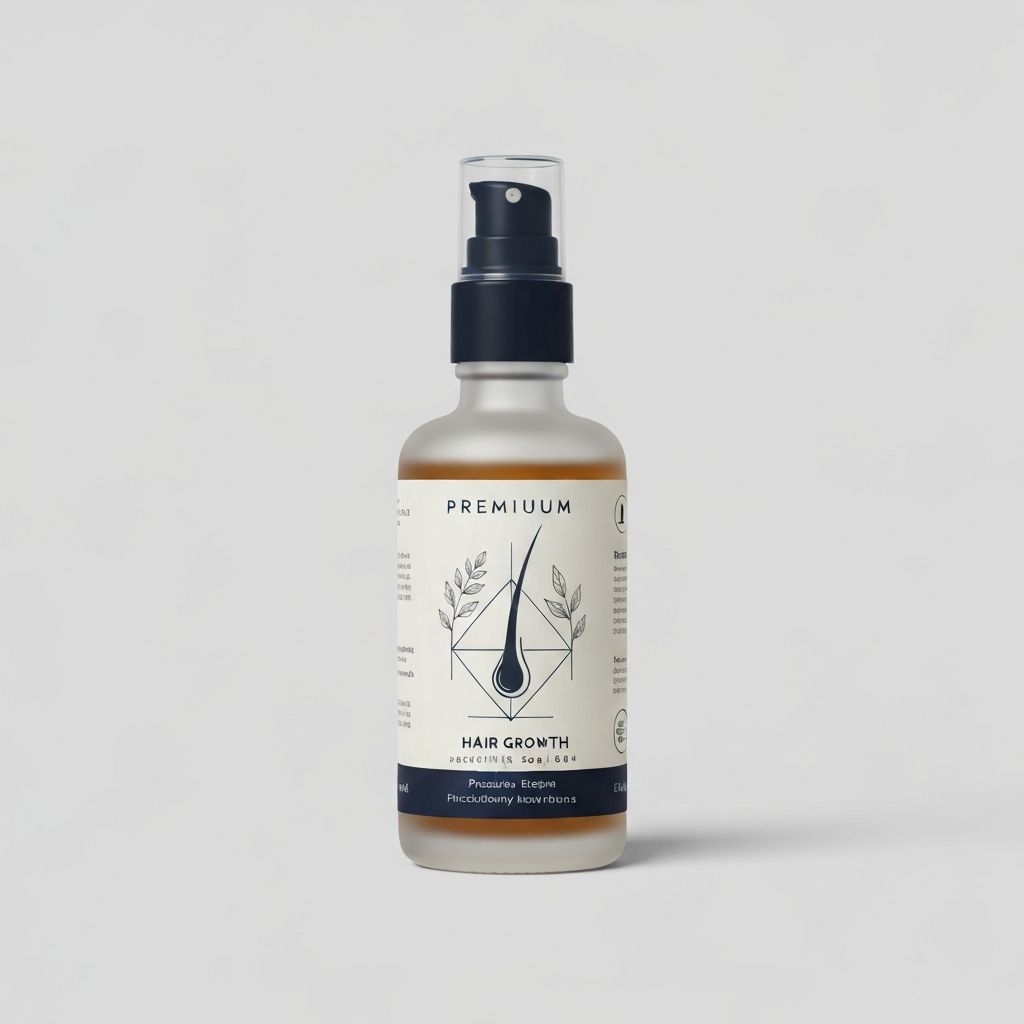
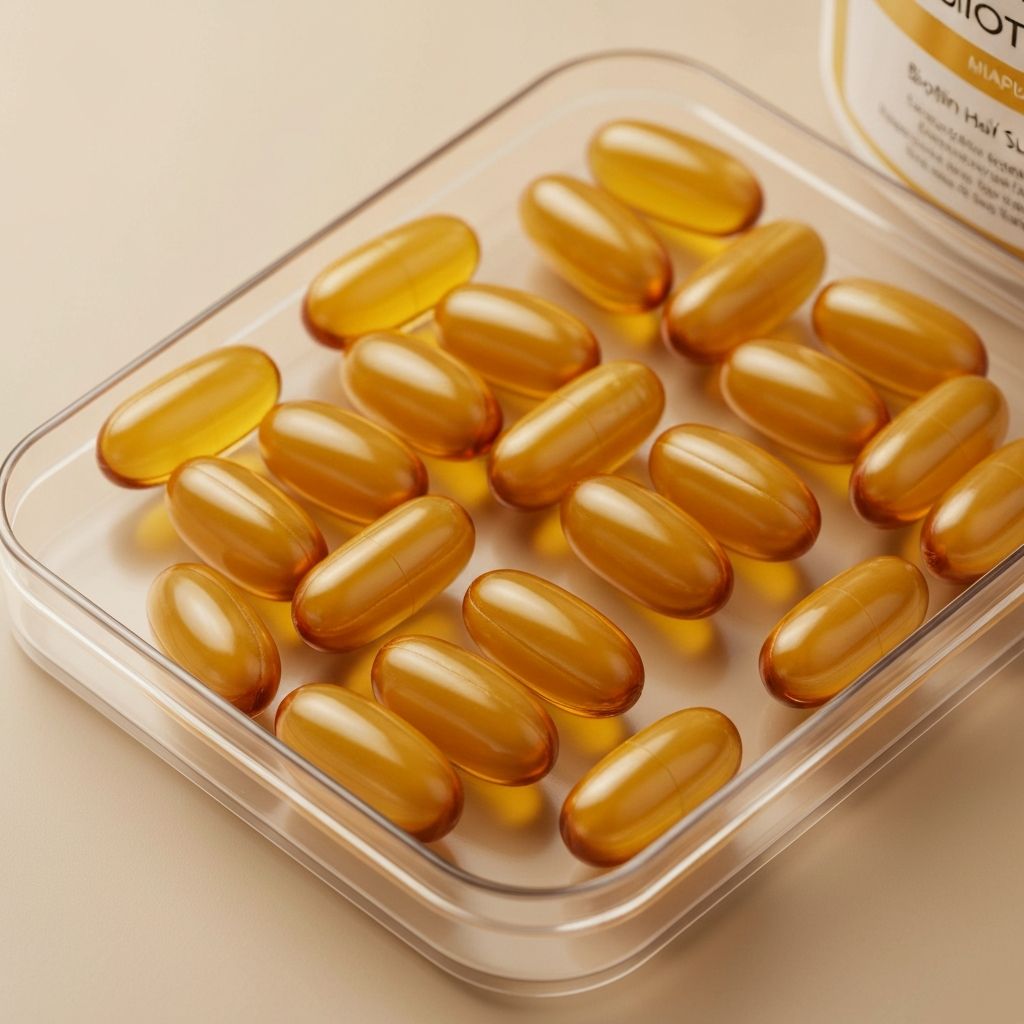
Recommended US Products

These evidence-based hair loss treatments are available in the United States and have been reviewed for safety and efficacy:

  • •Rogaine (Minoxidil) - FDA-approved topical treatment
  • •Keeps - Subscription-based hair loss solutions
  • •Hims - Comprehensive hair care products and treatments
  • •Nutrafol - Science-backed hair growth supplements
  • •Vegamour - Plant-based hair wellness products

Always consult with a US-licensed dermatologist or healthcare provider before starting any new treatment. Products mentioned are for informational purposes only.

Have Questions?

Consult with a dermatologist or healthcare provider before starting any new hair loss treatment. Always read labels and follow instructions carefully.

Coming soon...

Table of Contents

  1. 01.Why Hair Thins After Menopause
  2. 02.Balancing Hormones Naturally
  3. 03.Clinical Treatments That Help
  4. 04.Nutrition and Lifestyle Adjustments
  5. 05.Expert Opinion

Share Article

Share on Twitter / XShare on LinkedInOpen Article URL

Related Articles

Illustration showing hair follicle structure and hormonal balance for hair regrowth
Science12 min read

The Science of Hair Growth: How DHT, Minoxidil, and Nutrition Interact to Restore Hair Naturally

Understand the biological science behind hair growth, DHT blockers, and Minoxidil. Learn how nutrition, hormones, and proven treatments work together to promote healthy, natural hair regrowth in 2025.

November 10, 2025Read more →
Close-up of exosome therapy preparation for scalp
Science10 min read

Exosome Therapy for Hair Loss in 2025: The Future of Regenerative Hair Medicine

Exosome therapy is revolutionizing hair regrowth in 2025. Learn how stem cell-derived exosomes stimulate follicle regeneration and boost results beyond PRP.

November 7, 2025Read more →
Woman examining hair thickness improvement
Science9 min read

Female Hair Loss Treatments in 2025: Complete Guide to Regrowth and Hormonal Balance

Explore the best dermatologist-approved treatments for female hair loss in 2025—from minoxidil and PRP therapy to hormone-balancing nutrition.

November 6, 2025Read more →