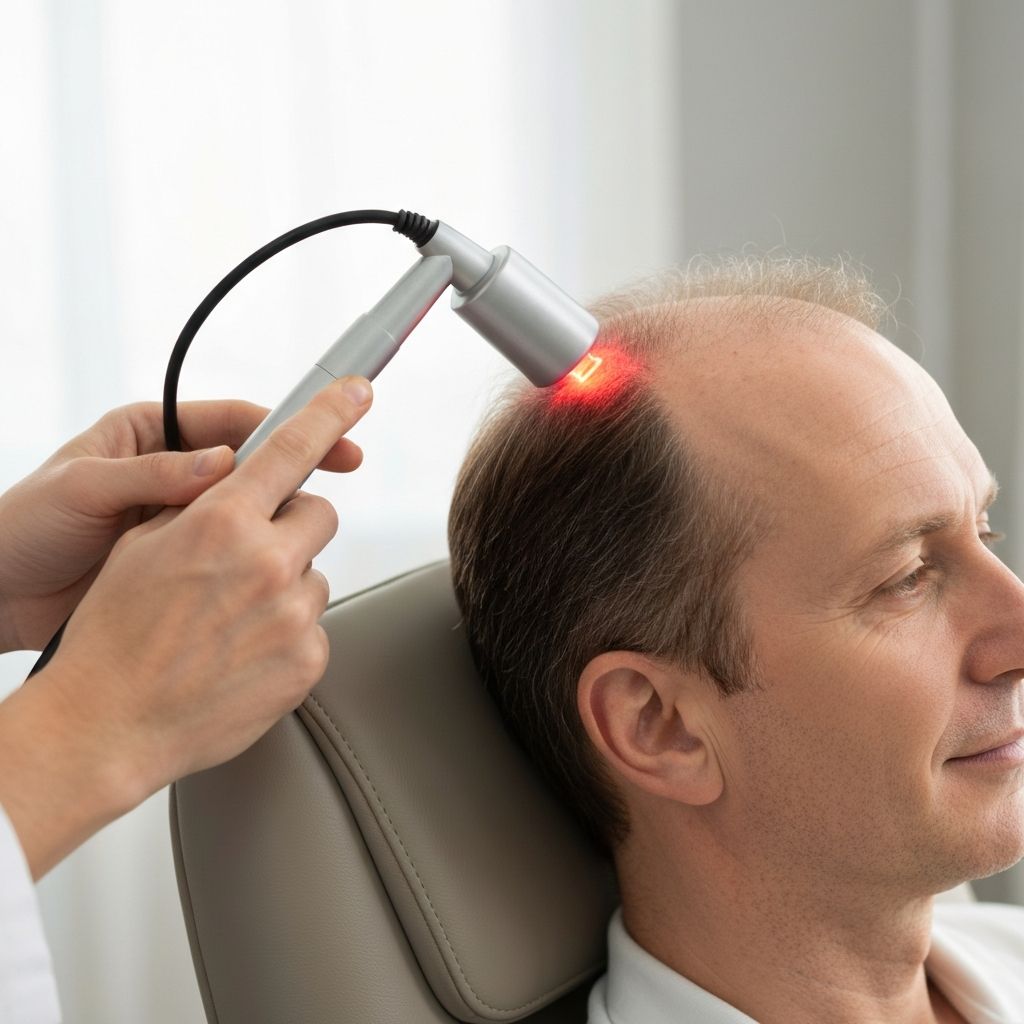
Understanding Both Treatments
Hair transplants involve surgically moving hair follicles from donor areas to thinning regions, while PRP (Platelet-Rich Plasma) therapy uses your own blood’s growth factors to stimulate existing follicles. Both approaches are widely used in 2025, often complementing each other for comprehensive regrowth.
How PRP Works
PRP therapy involves extracting blood, centrifuging it to concentrate platelets, and injecting the plasma into the scalp. The growth factors stimulate follicle activity and improve blood flow. Studies have shown a 25–30% increase in density after 3 sessions spaced 4 weeks apart.
Modern Hair Transplants
Techniques like FUE (Follicular Unit Extraction) and DHI (Direct Hair Implantation) now offer natural-looking results with minimal downtime. In 2024, robotic-assisted transplants improved precision, yielding survival rates above 90% for grafts.
Which Is Better for You?
For early-stage thinning, PRP is ideal for stimulating follicles and improving texture. For advanced baldness, transplants provide permanent restoration. Many dermatologists now combine PRP post-transplant to speed healing and maximize growth.
Expert Recommendation
Dr. Jonathan Reyes explains, “PRP enhances vitality in weak follicles, while transplants replace what’s lost. The best results often come from using both strategically.” Always consult a board-certified hair restoration specialist for an individualized plan.