Why Hair Thins Over Time
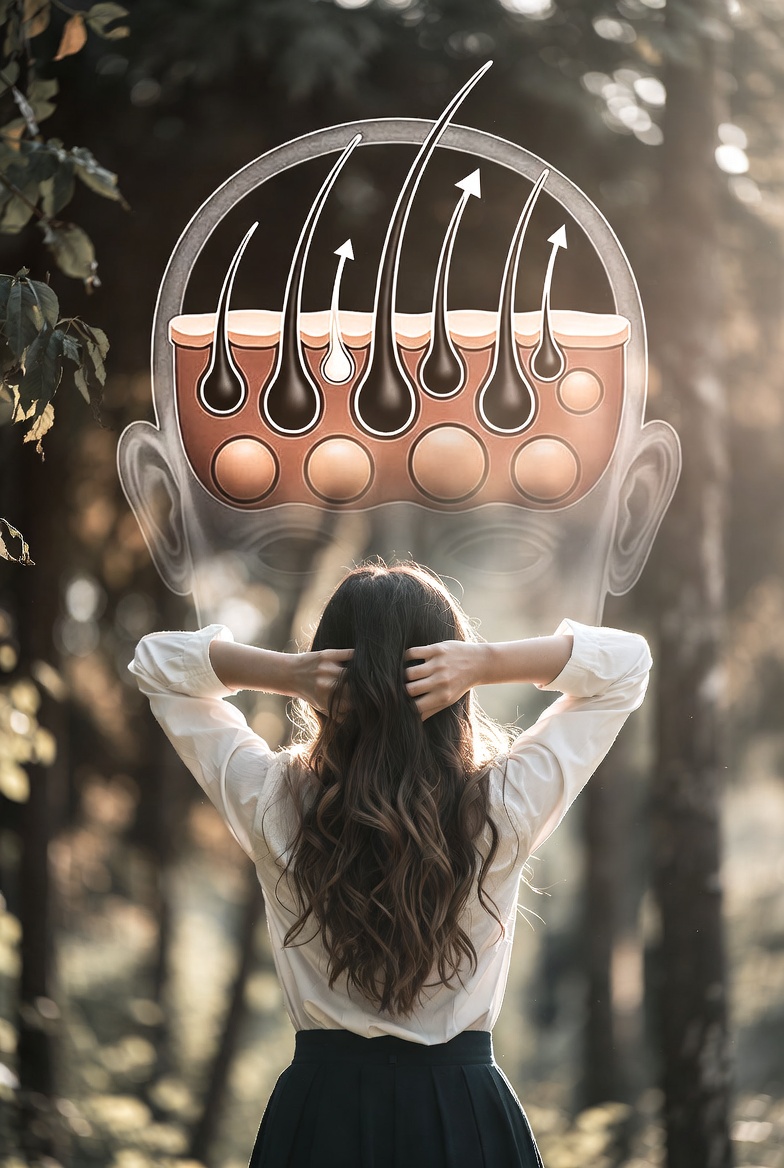
Hair thinning, also called diffuse alopecia, is often the result of shrinking follicles due to DHT (dihydrotestosterone), nutrient deficiencies, or chronic stress. As DHT binds to androgen receptors in scalp follicles, the hair’s growth phase shortens and each strand becomes progressively finer. A 2023 study in the Journal of Investigative Dermatology found that individuals with elevated scalp DHT had up to 40% reduced follicle diameter compared to controls.
Other contributing factors include thyroid imbalances, rapid weight loss, and inadequate protein intake. Recognizing these triggers early helps restore density before permanent miniaturization occurs.
Clinically Proven Treatments
The two most effective treatments for hair thinning remain minoxidil and finasteride. Minoxidil acts as a vasodilator, improving follicular oxygenation and prolonging the anagen (growth) phase. Finasteride blocks 5-alpha-reductase, the enzyme that converts testosterone into DHT. A 2024 clinical review in the American Journal of Clinical Dermatology confirmed that combining both agents leads to a 45% greater improvement in density than either used alone.
Natural Alternatives and DHT Blockers
For those seeking natural support, saw palmetto, pumpkin seed oil, and green tea extract (EGCG) provide mild DHT-blocking effects. These botanicals have shown measurable reductions in 5-alpha-reductase activity in laboratory studies. Additionally, rosemary oil demonstrated similar efficacy to 2% minoxidil in a 2022 clinical trial, offering a plant-based alternative for those sensitive to synthetic formulas.
Scalp Care for Regrowth
Healthy follicles need an optimal environment. Weekly scalp exfoliation using salicylic acid or glycolic acid helps remove sebum and dead skin buildup, improving topical absorption. Follow with gentle massage for 5 minutes to boost microcirculation. A clean, oxygenated scalp allows minoxidil or oils to penetrate more effectively.
Nutrition for Stronger Hair
Hair follicles are highly metabolically active and require consistent nutritional support. Prioritize foods rich in zinc, biotin, vitamin D, and omega-3 fatty acids. Collagen peptides, when taken daily, have been shown to enhance keratin synthesis. Hydration is equally essential—dehydration can make hair brittle and prone to breakage.
Lifestyle and Stress Management
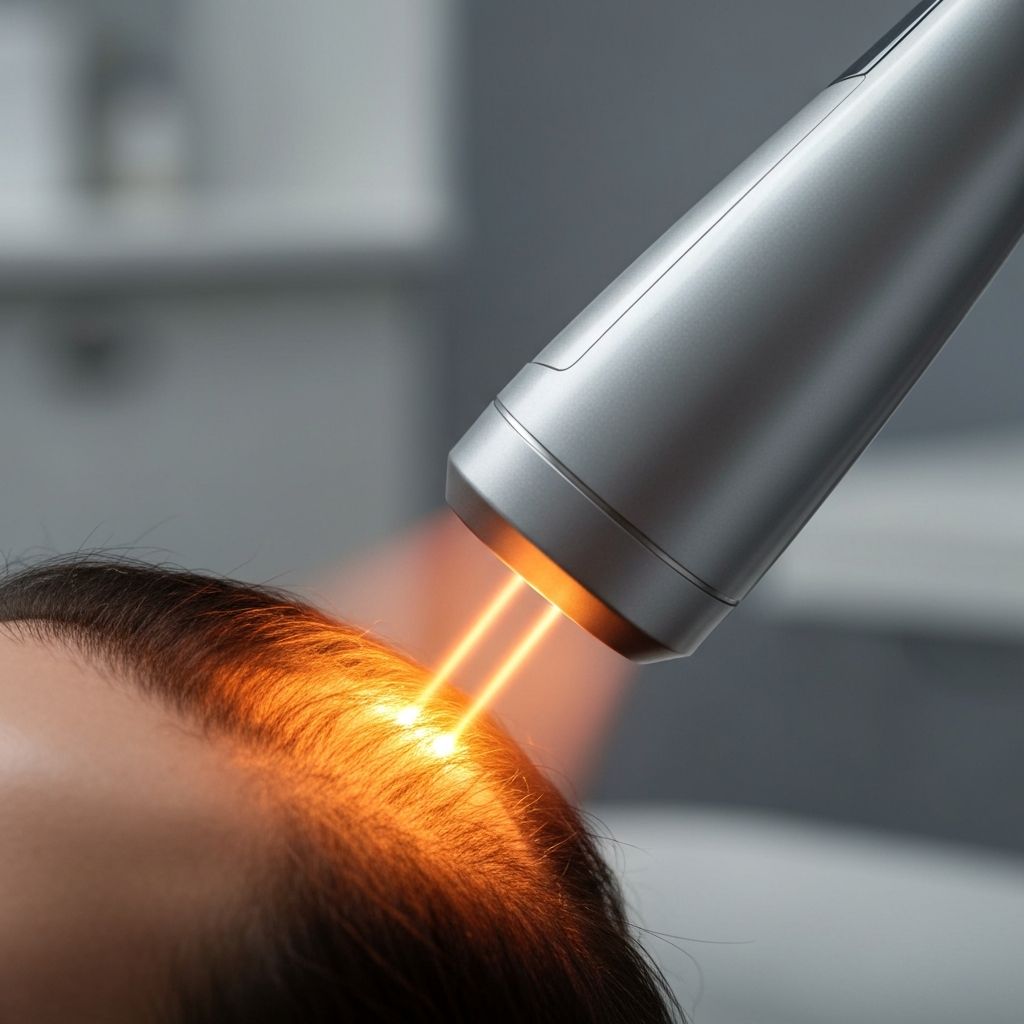
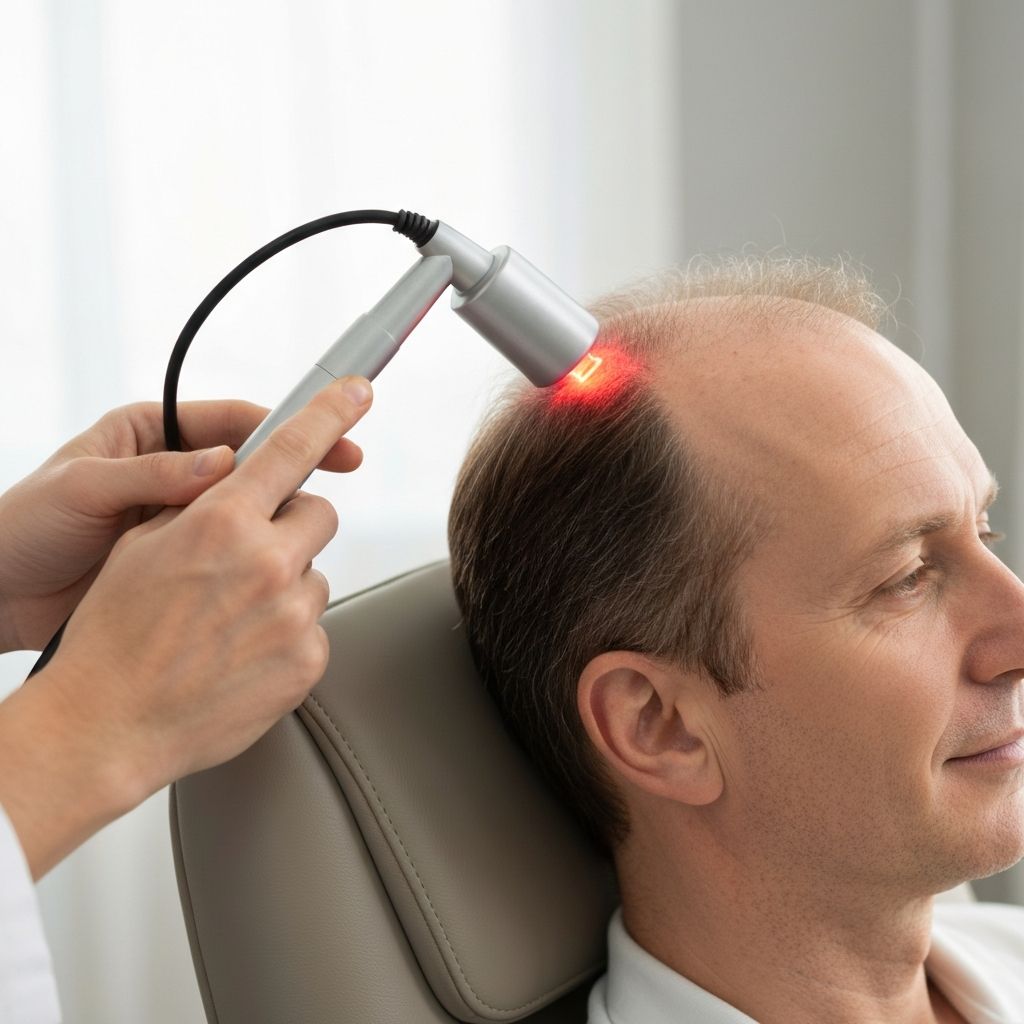
Chronic stress can elevate cortisol, disrupting hormonal balance and triggering shedding. Practices like mindfulness, adequate sleep, and moderate exercise help normalize cortisol levels. Low-level laser therapy (LLLT) is another emerging adjunct proven to stimulate cellular activity in dormant follicles when used three times weekly.
Dermatologist Insights
Dr. Emily Hartman, a board-certified dermatologist, emphasizes that consistency is key: “Most regrowth protocols require at least 3 to 6 months of regular application to show visible changes. Patience and adherence determine success.” Combining medical treatments, lifestyle adjustments, and natural boosters yields the best long-term outcomes.